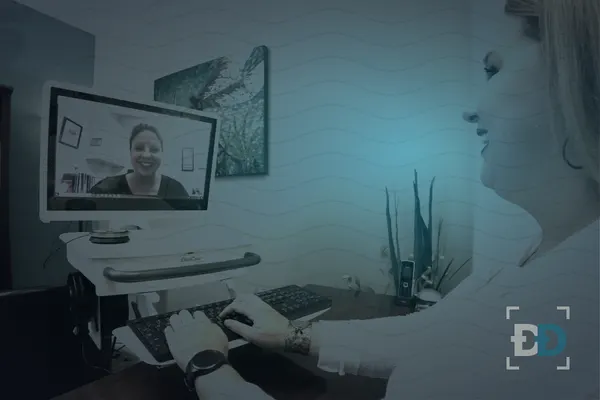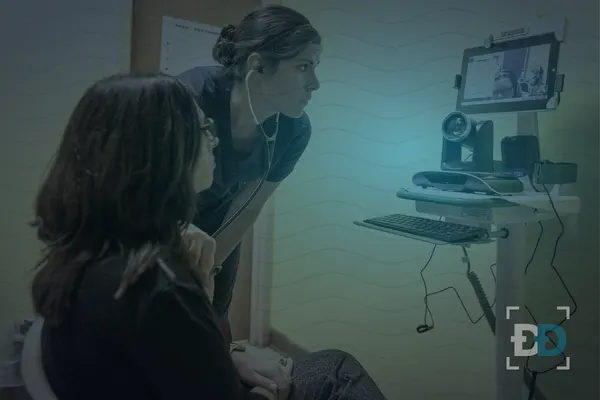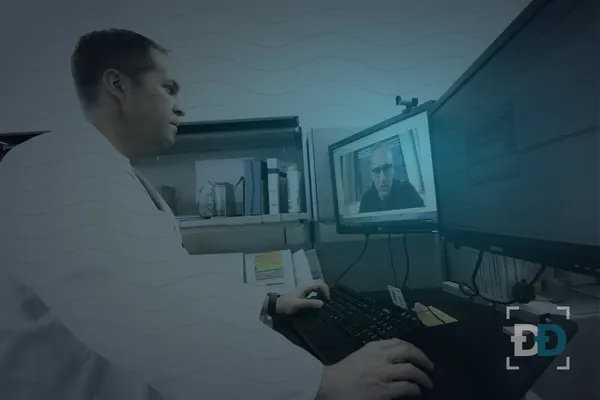
Clinicians who live outside the US can do a small part of the remote healthcare work that US companies offer. Telehealth, the largest part, needs a license in the US state where the patient is, wherever the clinician lives.
The remote healthcare work open to doctors, nurses and pharmacists abroad is mostly medical AI review: paid projects that hire for clinical knowledge and name the countries they accept.
Telehealth jobs need a US license in the patient’s state
In the US, each state licenses its own clinicians, and the rule follows the patient. A clinician who treats a patient in Texas needs a Texas license, whether the clinician sits in Houston or in Manila. A medical or nursing license from another country doesn’t transfer, however long you have practiced.
That is why the jobs under remote nursing jobs, remote physician jobs and remote therapist jobs name US states. The employer hires in the states where its patients live.
Many employers add a second condition, which is that you live in the US. Medicare doesn’t pay for visits when the clinician is located outside the country, and employers that bill it keep their clinicians inside. Payroll, tax and patient data rules push the same way. A few telehealth roles for care coordinators and intake staff are open in other countries, and the job names the country when one is.
Medical AI review projects hire clinicians in many countries
Companies that build AI systems pay clinicians to check the medical answers their models give. You write clinical questions, grade the AI’s answers against what a careful clinician would say and rewrite the answers that are wrong or unsafe. How nurses and doctors get AI training jobs describes the tasks and the tests in detail.
This work involves no patients, so no US state license law applies to it. Each project sets its own rule. Projects about US practice usually ask for a US license or US training. Others want clinicians from a named country, because the model has to answer well for patients there, or clinicians who can work in a second language.
The open projects are under medical AI review jobs. Search for your country, your language or your specialty to narrow them down.
The country list on each project decides whether you can apply
A project accepts the countries where the platform can pay contractors and where the client wants reviewers. The list is on the project’s sign-up page, and often in the title: a language, a country in brackets, or “US-based”.
Three points are easy to miss:
- “Remote” with no country named doesn’t mean worldwide. Check the sign-up page before you spend an hour on a test.
- The list is about where you live and pay tax, which may differ from where you trained or hold a license.
- Platforms check your identity and your location. People who sign up through a VPN or a borrowed address lose the account, and usually the pay they had earned.
If your country isn’t on a project’s list, look at the next project. The lists differ, and they change as platforms add payment methods.
Your home license is what the project checks
An active license or registration in your own country is the credential most international projects ask for. Platforms look you up in your regulator’s public register where one exists, so use the name and the registration number exactly as they appear there.
Expect these steps before the first paid task:
- An identity check with a government ID.
- A license or registration check, and sometimes a copy of your degree.
- A written test in your specialty, in English, where you grade sample answers and explain your reasoning.
- On some platforms, a short recorded interview about your clinical background.
The written test decides most applications. Explain your judgment the way you would teach a junior colleague: the finding, the guideline you follow and the risk if it is missed. Say which country’s guidance you are using when it differs from US practice, since the project may want one or the other.
A US license is a separate track that takes exams and years
If you want US telehealth work itself, the path runs through US licensure, and it is long. Plan it as its own project, next to the remote work you can do now.
| Profession | What a US license asks of someone trained abroad |
|---|---|
| Physicians | ECFMG certification, the USMLE exams and, in most states, US residency training before a full license |
| Nurses | A credentials evaluation that most state boards ask for, the NCLEX-RN and a state license |
| Pharmacists | FPGEC certification, then the NAPLEX and the state’s own requirements |
| Therapists and psychologists | A state board’s review of your degree, usually followed by supervised hours in the US |
A few states have opened provisional licenses for experienced physicians who trained abroad. Each has its own conditions, so read the state medical board’s own page before you count on one.
A license also isn’t permission to work in the US. Employment by a US company needs work authorization, which is a separate process with its own timeline.
Platforms pay international contractors, and tax is owed where you live
Medical AI review is contract work. You are paid for the hours or tasks you log, usually in US dollars, by bank transfer or a payment service the platform names. Check that the platform can pay into your country before you take its test.
US platforms ask contractors abroad for a W-8BEN form, which tells the payer that you are not a US taxpayer. The income is then yours to report under your own country’s rules, often as self-employment income. Ask a local accountant how to register it, since the rules differ widely.
If you are employed by a hospital or a health service, read your contract or ask your employer about outside work first. Many public health systems ask staff to declare it.
An offer that skips the license question is a warning sign
Real telehealth employers ask about your license in the first conversation, because they can’t schedule you without it. An offer of a US telehealth job that needs no US license, or a fee for “license sponsorship”, is a scam.
The same goes for AI review. Real projects state the rate before you start and don’t charge for training, tests or software.
How to find remote healthcare work from outside the US
- Open medical AI review jobs and search for your country, your language or your specialty.
- Read each project’s country list on its sign-up page before the test.
- Prepare your registration number, a government ID and a resume that leads with your license, your specialty and your years in practice.
- Apply to two or three projects in the same week, since approval takes days and projects fill.
- If US telehealth is your goal, start the licensing track in parallel and choose the state by where the jobs you want are open.